

Nearly 50 years before Raymond “R.C.” Horsch’s former Philadelphia home became the focus of an investigation into seven missing women, his family pleaded with a federal judge for leniency, calling him “truly repentant” and promising there would be “no recurrence of illegal activity.”
Hundreds of pages of federal records obtained by the NBC10 Investigators show authorities recovered chemicals and laboratory equipment connected to Horsch decades before investigators found similar items during recent searches of his Olney home.
“We are a close-knit, law-abiding, religious family,” Horsch’s father, Raymond Horsch Sr., wrote in a letter to a federal judge in the mid-1980s. “Our only son has been the first ever to tarnish our family.”
As the family sought a reduced sentence following Horsch’s latest criminal case, his father insisted his son had changed.
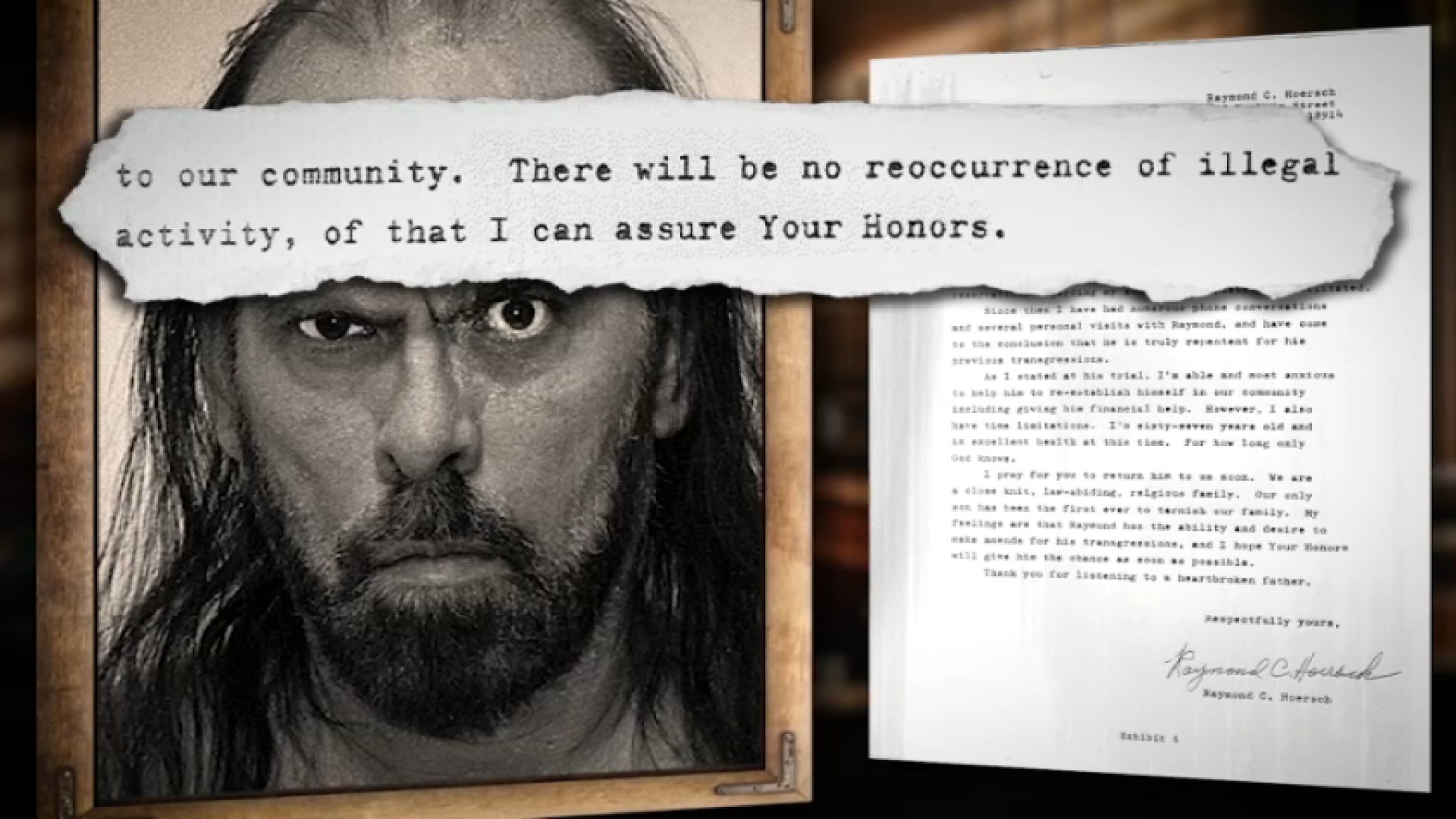
“He is truly repentant for his previous transgressions,” the senior Horsch wrote.
Horsch’s then-wife, Anna Horsch, went further, assuring the judge her husband would not commit another crime.
“There will be no recurrence of illegal activity, of that I can assure Your Honors,” she wrote.
Their appeals followed a psychological evaluation Horsch’s public defender requested. The psychologist described Horsch as highly intelligent, suspicious and deeply concerned about “losing control,” but identified his wife and son as central to his potential rehabilitation.
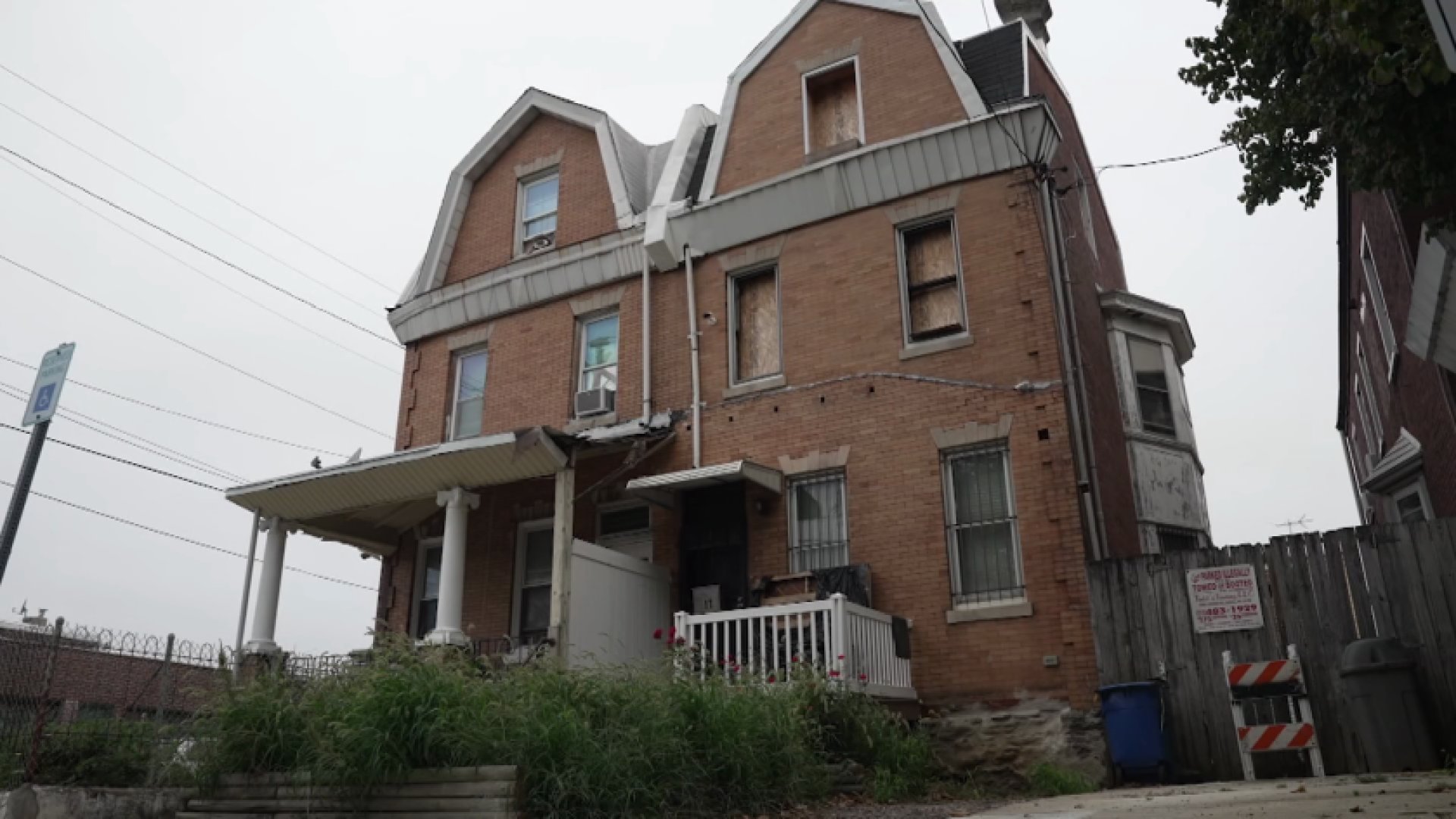
The records are taking on new significance as police and the FBI investigate what happened to seven missing women connected to Horsch’s former home at 417 W. Chew Ave.
Law enforcement sources told the NBC10 Investigators that detectives recovered suspected chemicals and laboratory equipment from the property, similar to items federal agents documented in their investigation of Horsch decades earlier.
Federal authorities’ interest in Horsch and chemicals stretched back to the 1970s.
In 1974, the U.S. Secret Service arrested Horsch in Hatboro, Pennsylvania, for possessing and passing counterfeit $10 bills, a spokesperson confirmed. A federal judge sentenced Horsch to two years in prison for manufacturing, uttering and dealing in counterfeit currency.
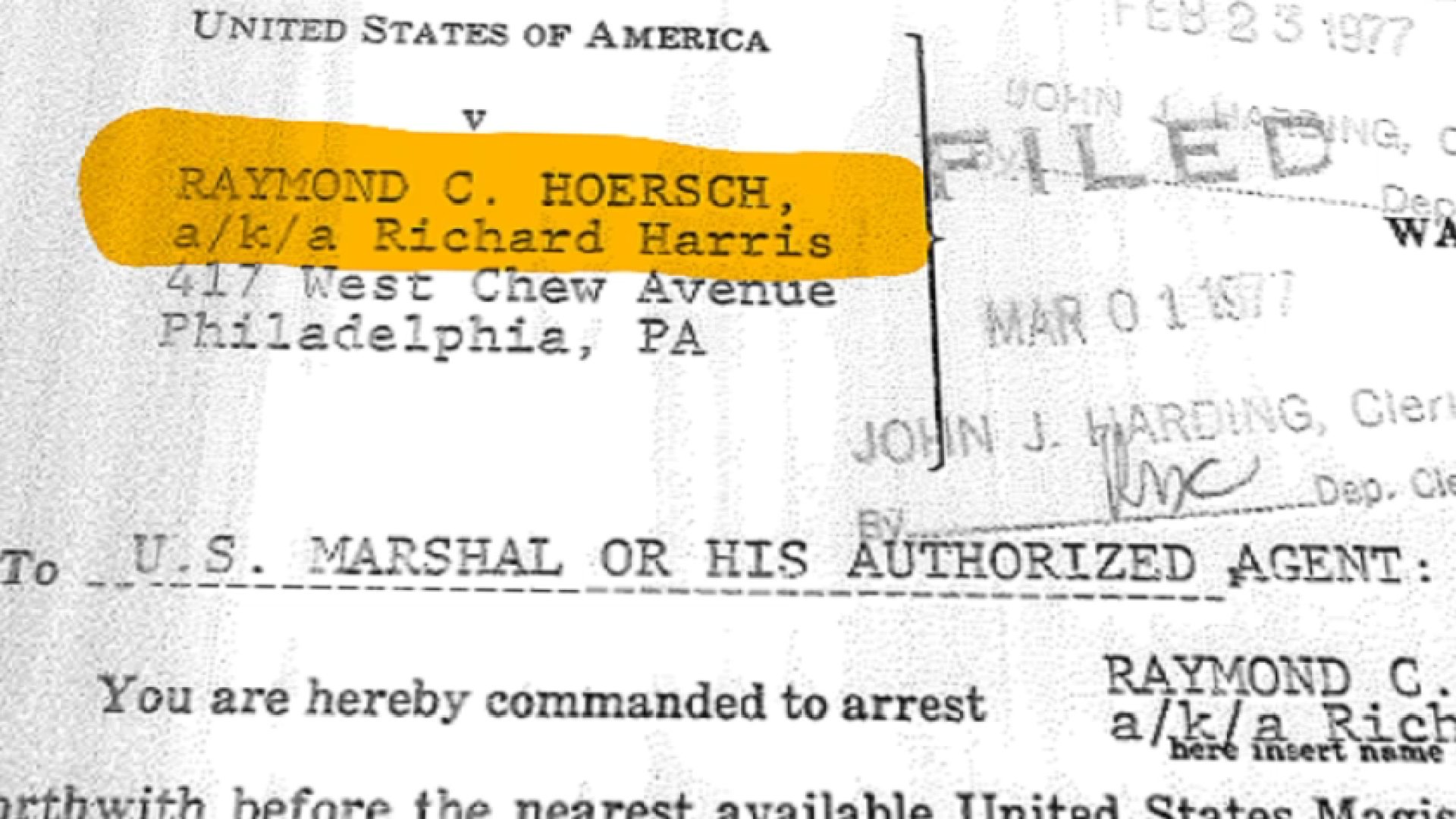
After his release, and while working as a chemist, Horsch became the subject of a DEA investigation. In February 1977, agents executed a search warrant at a garage on North Sixth Street in Hunting Park.
Agents found “substantial laboratory equipment and various chemicals” inside, according to court documents. Field tests indicated some of the substances were methamphetamine, the records state.
I continue to pray that some means of punishment can be found that will spare my wife and child and what small future we have left.
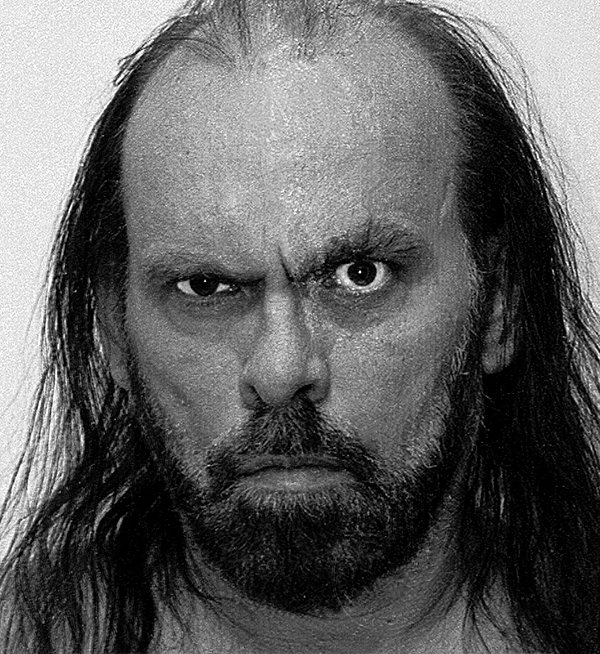
Raymond “R.C.” Horsch in 1985
Federal agents had been monitoring the building before the search. According to court records obtained by the NBC10 Investigators, a DEA agent detected odors associated with manufacturing methamphetamine coming from the property on multiple days.
When Horsch left the building at approximately 3:15 a.m. one February morning, agents confronted him. Authorities said they found methamphetamine on him.
Prosecutors wrote that in late 1976 and early 1977, Horsch, using the name “Richard Harris,” purchased large amounts of chemicals and laboratory equipment from a Philadelphia chemical company. The purchases included alcohol, benzene, ammonium chloride, formaldehyde, ether and methanol.
The government alleged the business address Horsch provided was actually a secretarial and telephone answering service. The vehicle used by the man identifying himself as “Richard Harris” was registered to Horsch, prosecutors wrote.
After approximately 10 hours of surveillance, agents said they detected a strong odor of ether coming from the building. Prosecutors said the subsequent search uncovered methamphetamine in various stages of manufacture, and a DEA chemist concluded the property contained a methamphetamine laboratory.
Former DEA agent Jack McFarland, who investigated similar drug cases in Philadelphia, described the odors agents could encounter at clandestine laboratories.
“Terrible, smells like eggs, rotten eggs,” McFarland told the NBC10 Investigators.
Several women who previously told the NBC10 Investigators they had been inside Horsch’s Chew Avenue home also recalled a bad smell.
Horsch later disputed the government’s explanation for what authorities found.
In an interview with the Rialto Report, Horsch said agents found a byproduct of another chemical creation.
“I just did not want to go back to jail,” Horsch said. “So I became a fugitive.”
Records and newspaper clippings show Horsch eventually ended up in New Zealand, where he continued working as a chemist under another identity.
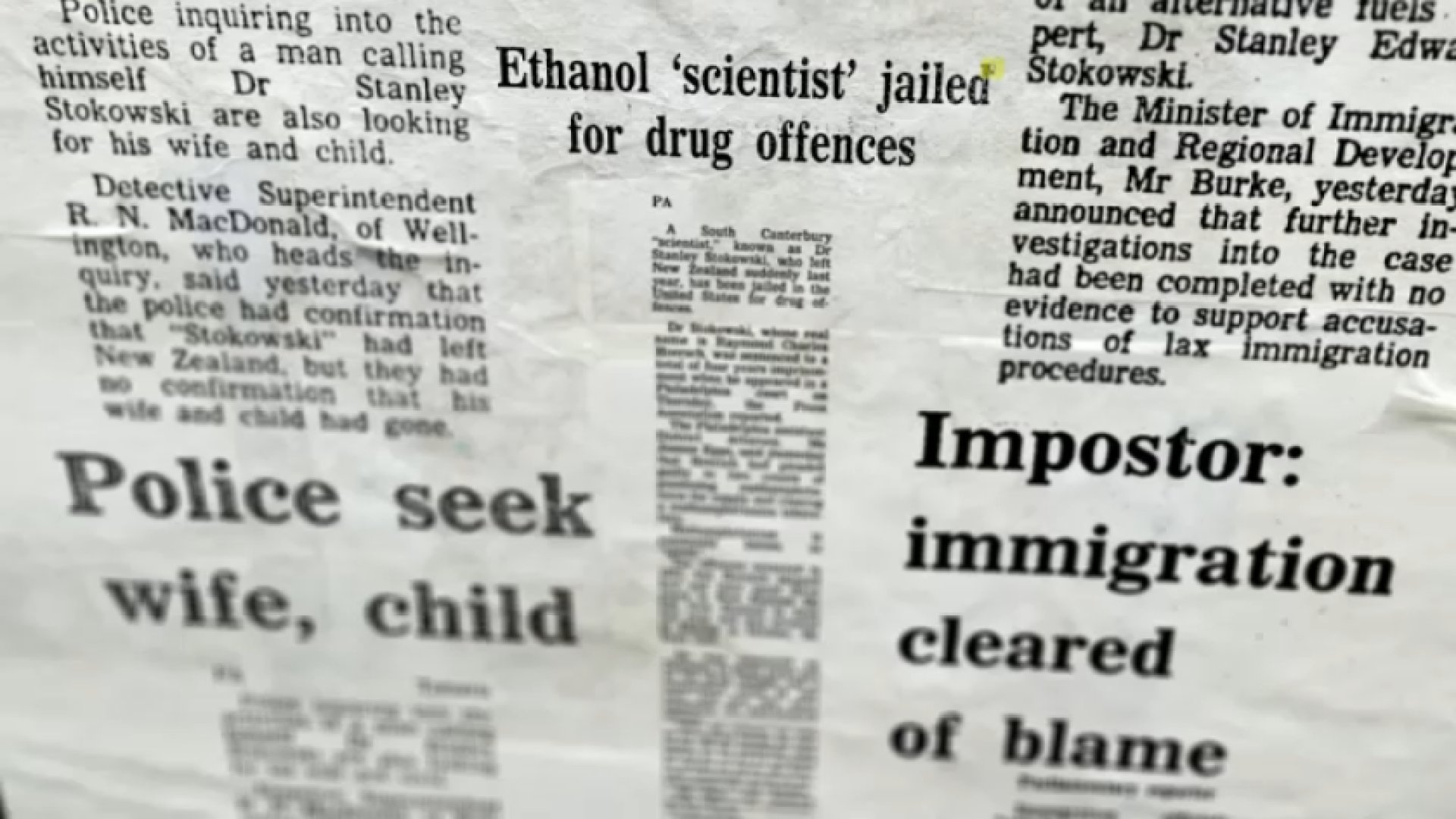
While there, he met Anna, the woman who would become his wife. They married in 1980 and had Eugene the following year, according to the psychological evaluation later prepared for the federal court.
Horsch’s years as a fugitive ended after he returned to the United States. Federal records show he was arrested in Orlando in October 1984. He later pleaded guilty to manufacturing methamphetamine and possession with intent to distribute it.
Before Horsch was sentenced, his public defender requested a psychological evaluation to examine his mental state, potential for rehabilitation and likelihood of committing another crime.
The evaluation took place on March 25, 1985, and lasted approximately four hours.
The psychologist, who is still practicing in Pennsylvania and did not respond to repeated requests for comment from the NBC10 Investigators, wrote that Horsch approached the session with “a great deal of suspiciousness and cynicism.”
At first, Horsch was defensive, evasive and uncooperative, the report said. He resisted answering questions directly, refused to complete parts of the testing and repeatedly challenged the examiner.
“I’ve always been extremely self-contained,” Horsch told the psychologist.
He also said, “I can’t answer questions honestly.”
Horsch expressed particular concern that the psychologist might misrepresent him.
“I’m suspicious of you,” Horsch said. “I don’t know you or how your mind works.”
The psychologist wrote that Horsch gradually developed some trust and became more cooperative as the evaluation continued.
When discussing his criminal activity, however, the psychologist wrote that Horsch tried to minimize its significance. Horsch characterized his earlier crimes as “stupid.”
“I had a lot of self-destructive behavior in me then,” he said, according to the report.
The psychologist also noted that Horsch often discussed his criminal activity in the third person, as if he were describing someone else’s life. According to the report, Horsch believed his criminal behavior was his own attempt “to be punished and to fail.”
The psychologist described Horsch as highly intelligent, mistrustful, suspicious and excessively controlling.
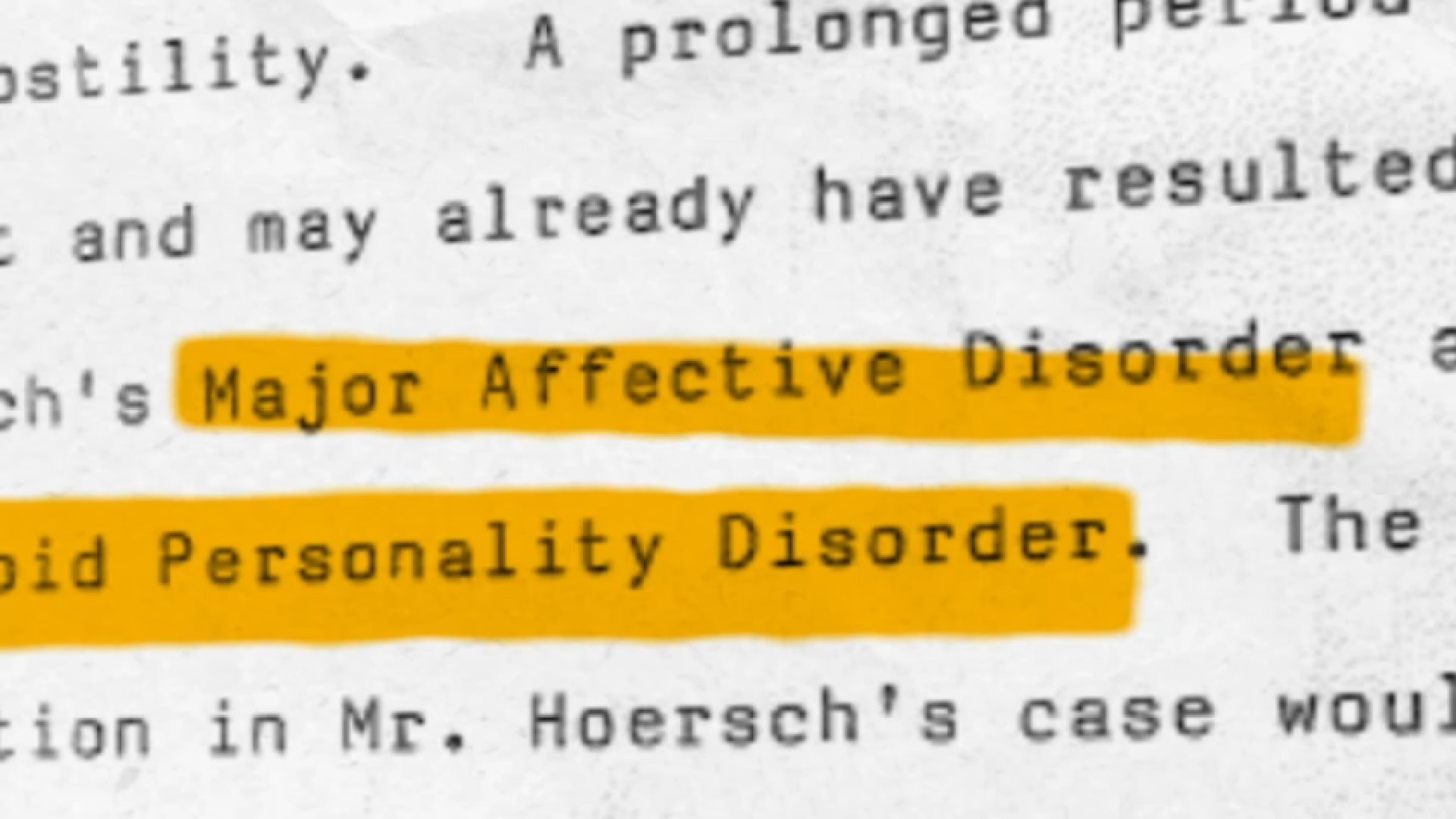
The evaluation diagnosed Horsch with a major affective disorder, identified in the report as bipolar disorder, manic, in remission, and paranoid personality disorder. The psychologist wrote that Horsch devoted significant energy to maintaining equilibrium and control.
While discussing his reported lack of excessive drug or alcohol use, Horsch offered an explanation.
“I can’t stand being out of control,” he said.

The evaluation also documented Horsch’s professional history.
The psychologist wrote that Horsch held more than 20 jobs in approximately 20 years and developed expertise as a chemist, computer analyst and photographer.
“I go from job to job because once I learn something, I want to go to something else,” Horsch said.
The evaluation said he would sometimes work six or seven days a week and as many as 14 hours a day. Testing recorded a full-scale IQ of 140, which the psychologist described as being in the “very superior range.”
I can’t stand being out of control.
Raymond “R.C.” Horsch in 1985
The NBC10 Investigators showed Horsch’s records to retired FBI supervisory special agent James R. Fitzgerald, a former criminal profiler and forensic linguist who grew up just blocks from the Chew Avenue home.
Fitzgerald said he recognized the property from his childhood.
“I guarantee I walked up and down in front of that house,” Fitzgerald said.
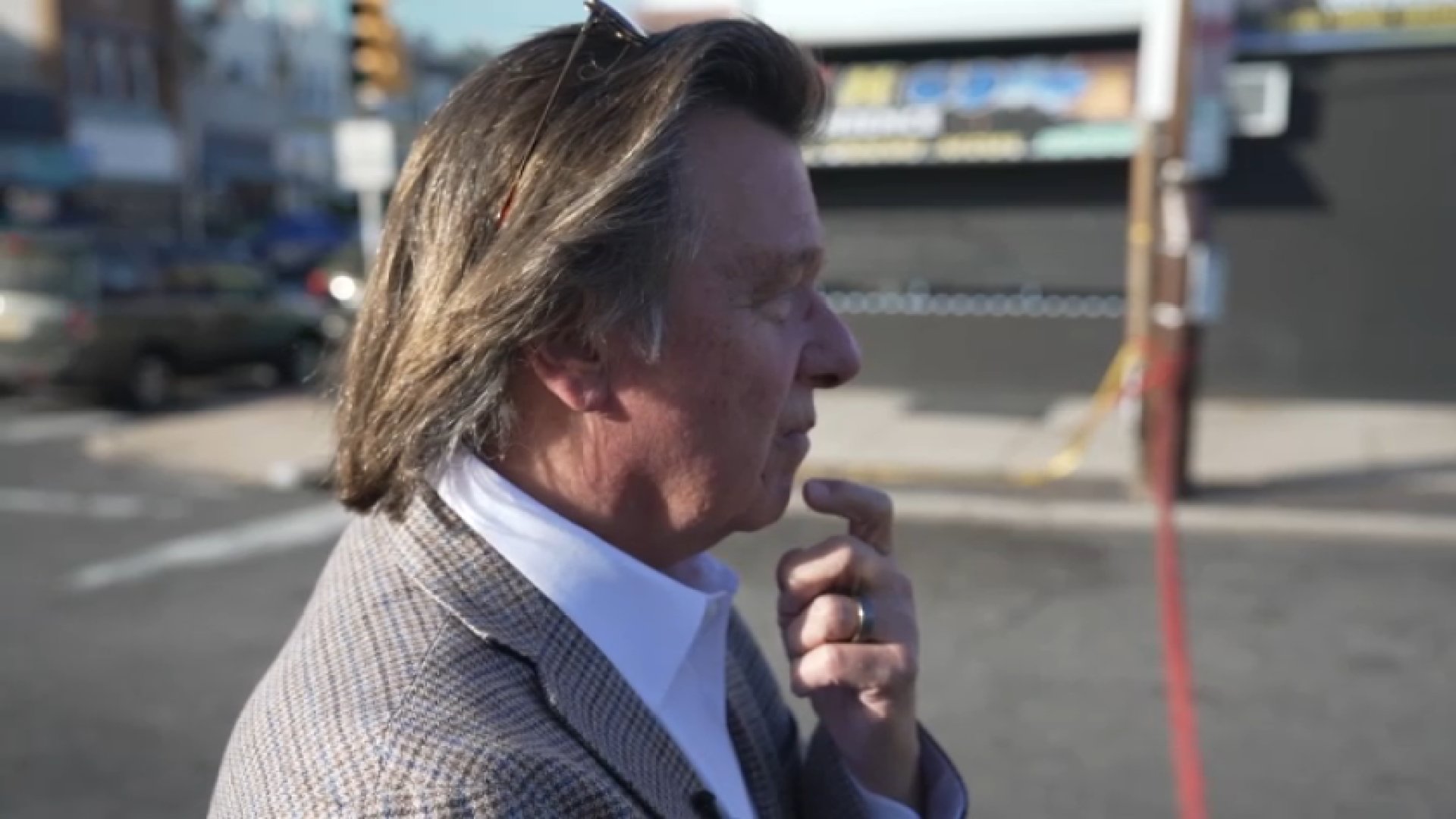
Decades later, Fitzgerald helped investigate the Unabomber case, analyzing Ted Kaczynski’s writings and using his words to help refine investigators’ profile of him.
“That opened so many doors and gave us so many clues to build on the profile that already existed,” Fitzgerald said.
Fitzgerald said a person’s own writings can similarly provide investigators with clues about how the person thought and what the person believed.
“If it’s a language of the person himself, first person or third person, whatever it may be, you had that window to his soul and his brain and you find out what he truly wants and believes,” Fitzgerald said.
His review wasn’t limited to Horsch’s writings. Fitzgerald also examined the 1985 psychological evaluation obtained by the NBC10 Investigators.
“I learned a long time ago, if you’re a psychopath, you’re going to lie,” Fitzgerald said. “And there’s no doubt, and it even says in here, that he was hesitant to answer some questions from the shrink.”
The 1985 evaluator diagnosed Horsch with a major affective disorder, identified as bipolar disorder, manic, in remission, and paranoid personality disorder.
The evaluator also described Horsch as “severely limited emotionally” and documented his concern about “losing control.”
“It all comes back to that need-driven behavior,” Fitzgerald said. “He has to do what he did.”
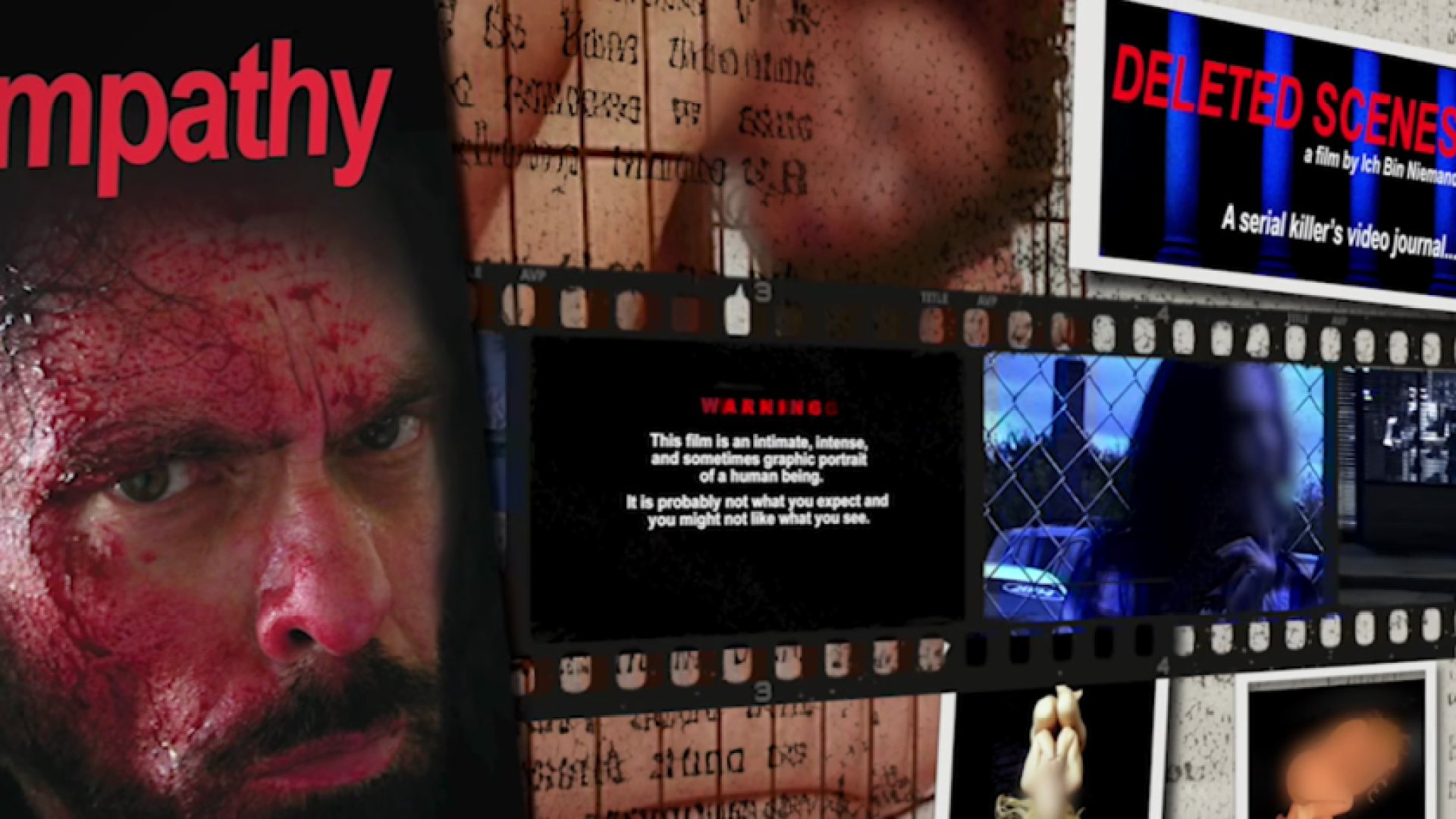
Fitzgerald said Horsch’s background also stood out because the evaluation documented his experience with chemistry, computers and photography.
“He has an expertise in chemistry, computers, and photography,” Fitzgerald said. “That’s everything they’re looking at right now inside the house.”
Fitzgerald, however, cautioned against concluding from the psychological evaluation that Horsch harmed anyone.
There will be no recurrence of illegal activity, of that I can assure Your Honors.
Anna Horsch in 1985
“It is reflective of this guy and how he lived his life,” Fitzgerald said.
The NBC10 Investigators also showed the report to Temple University criminal justice professor Catresa Meyers.
“I think we see it in this evaluation for just his disregard for the law,” Meyers said. “He doesn’t want to be controlled by anybody.”
Meyers also cautioned against using Horsch’s criminal past, psychological evaluation or creative work to conclude he was involved in the disappearances.
“I think there’s a potential that this is someone who was very curious and expressed himself through art,” she said. “And that is it. It may not have gone any further.”
The 1985 evaluation itself noted that Horsch’s documented crimes from 1973 through 1977 “never involved violence.”
The evaluation said Horsch felt alienated from others as far back as adolescence. It described him as a loner who saw himself as a misfit.
“I never felt like I fit in with the mainstream of school life,” he told the psychologist.
When asked to identify three wishes, Horsch’s first was “not to go to jail and to be with my family.”
His second was “to be able to exist in an isolated or rural area, to be a hermit, to deal with society as little as possible, to deal with society on my own terms.”
His third wish was “to have a better understanding of quantum physics.”
The psychologist wrote that Horsch generally saw authority as oppressive and unfeeling and could become antagonistic when he believed he was in a hostile environment.
The psychological evaluation’s discussion of Horsch’s wife and son became central to the argument for leniency.
Horsch told the psychologist his wife and son were the “most important things in my life.”
The psychologist described Horsch’s marriage as a source of “great support and affection” and wrote that he appeared protective of his wife and son.
The report said his relationship with his wife had a “therapeutic and rehabilitative effect” and recommended family therapy. It described his wife and son as his “primary support system and resource.”
I continue to pray that some means of punishment can be found that will spare my wife and child and what small future we have left.
Raymond “R.C.” Horsch in 1985
The psychologist wrote that Horsch’s wife could be a “crucial asset” in his rehabilitation and recommended a closely supervised but supportive period of probation.
The evaluator also wrote that further incarceration might not reduce Horsch’s likelihood of committing another crime and “may increase his hostility and sense of alienation.”
Those findings became part of the effort to persuade the federal court to show leniency.
A judge sentenced Horsch to three years in prison plus probation on the federal drug charges.
Later, Horsch and his relatives asked the judge to reconsider.
His father invoked the family’s history.
“We are a close-knit, law-abiding, religious family,” Raymond Horsch Sr. wrote. “Our only son has been the first ever to tarnish our family.”
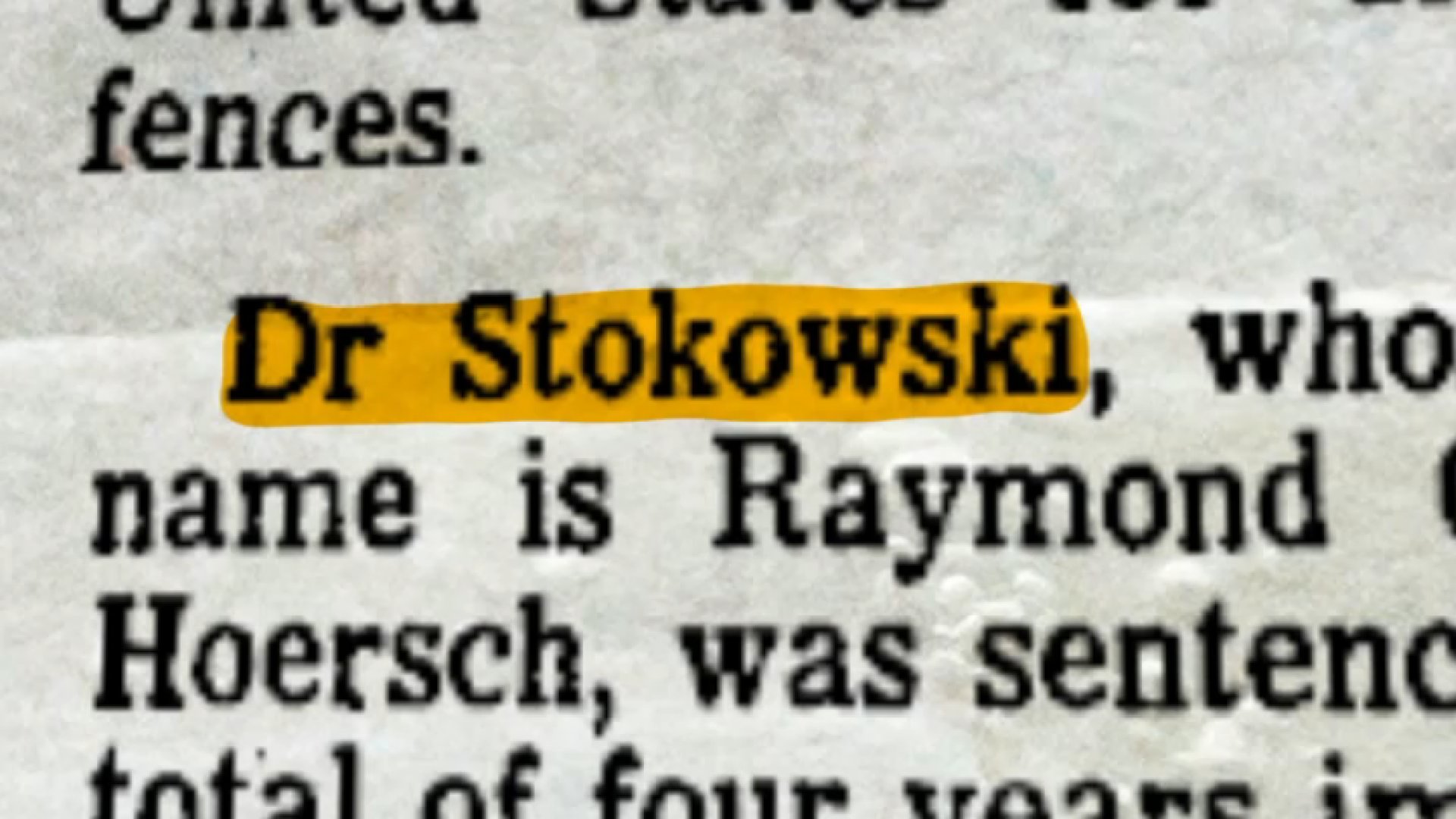
He insisted his son had changed.
“My feelings are that Raymond has the ability and desire to make amends for his transgressions, and I hope Your Honors will give him the chance as soon as possible,” he wrote.
Horsch’s wife offered the court an unequivocal assurance.
“We are a very close family,” she wrote. “Please be lenient with him and give us a chance to raise our soon decently together.”
Horsch made his own plea, focusing on the effect his incarceration had on his wife and child.

“I continue to pray that some means of punishment can be found that will spare my wife and child and what small future we have left,” he wrote.
That future would change dramatically. Just a few years later, Horsch’s wife died from what he described as an overdose.
Horsch’s former public defender did not return a request for comment. A court-appointed attorney for Horsch declined an interview request.
Horsch’s legal trouble also continued. In 2012, decades after his family assured the court there would be no recurrence of illegal activity, he returned to federal prison on charges related to growing marijuana at a home in Chalfont, Pennsylvania.
As part of his guilty plea, Horsch agreed to provide information valuable to authorities, according to court documents. The details concerned crimes against children, including child prostitution, as well as marijuana trafficking, according to newly unsealed documents.
Records obtained by the NBC10 Investigators show Horsch was released from federal prison in 2013. It remains unclear when his supervised release ended.
Horsch died in 2025 at the age of 82.
Police and the FBI continue investigating what happened to seven missing women connected to his former home on West Chew Avenue. Authorities said last month they were reviewing more than one million digital files and had identified 58 people in them.
Police say there is video of Horsch strangling a woman to death, though no human remains have been recovered from the property. Police have finished searching and digging at the Chew Avenue property but are awaiting test results from areas investigators swabbed for possible evidence of a crime.
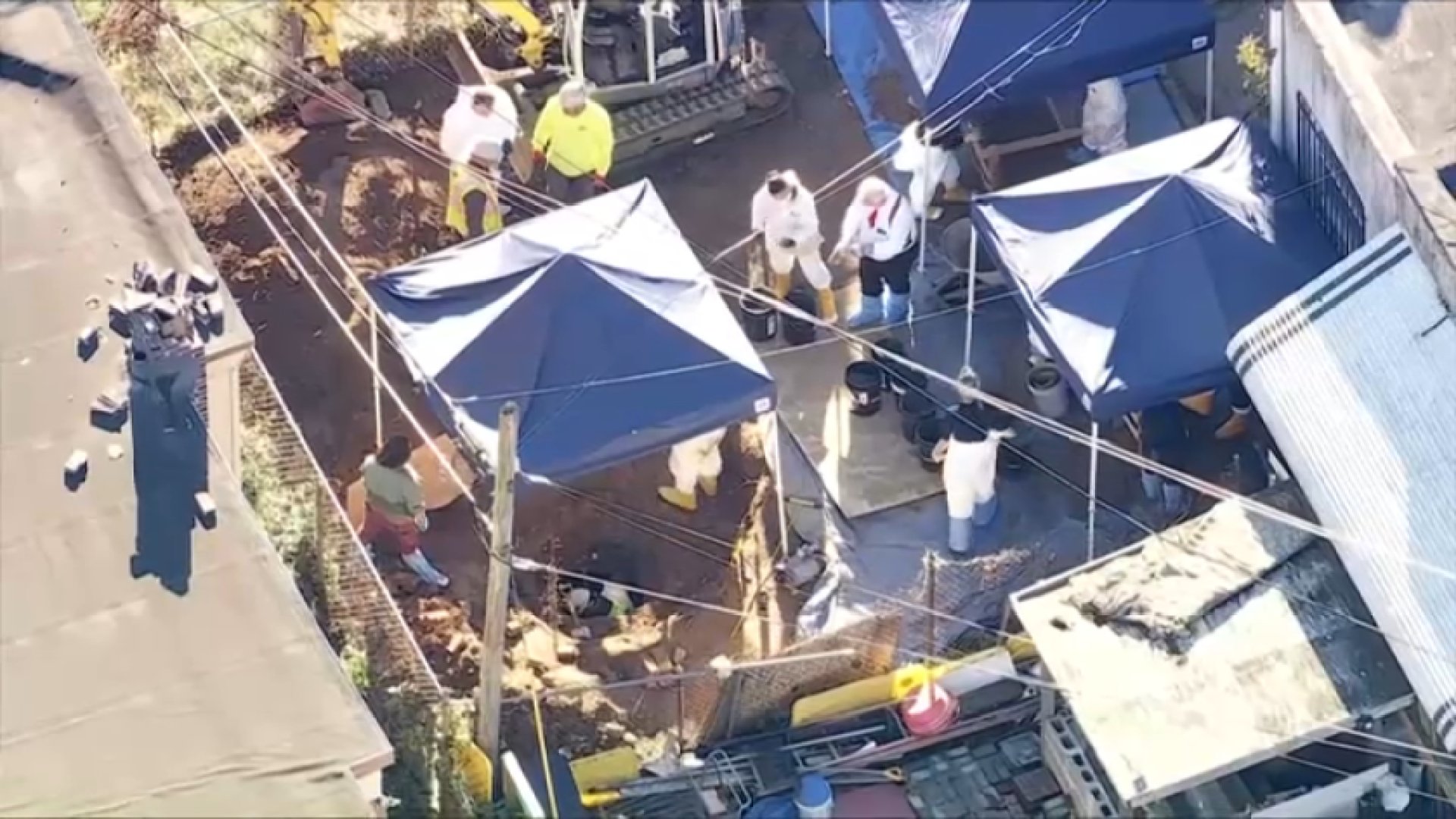
Fitzgerald said the decades-old records may provide context about Horsch but cannot answer what happened years later. Investigators may instead find those answers in the digital evidence and other items recovered from the property.
“There are many potential serial killers out there, but they make mistakes early on, and they’ve only killed once,” Fitzgerald said.
Eugene Horsch, who inherited the property after his father’s death, remains in custody on federal charges involving false credentials and firearms. He faces no charges connected to the missing women.
Eugene Horsch’s attorney, Jerome Brown, declined to comment. Following his client’s arrest in June, however, Brown said Eugene Horsch did not know what was in the home’s basement and believed some items seized belonged to R.C. Horsch.
The NBC10 Investigators can be reached at david.charns@nbcuni.com and ali.ingersoll@nbcuni.com.


