

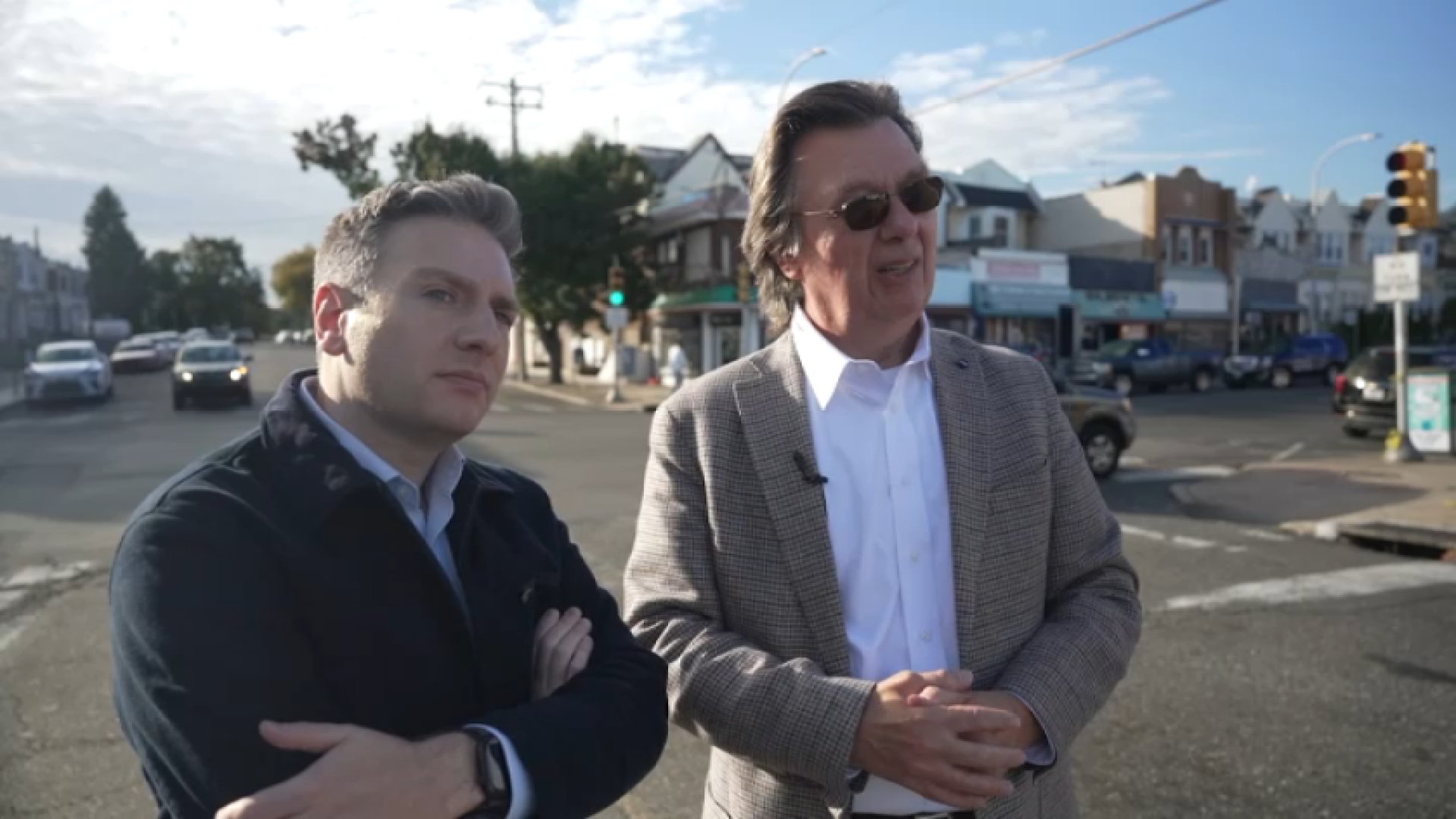
Long before James R. Fitzgerald became an FBI profiler who helped identify the Unabomber, he was a kid growing up in Olney, just blocks from the house now known as the “House of Horrors.”
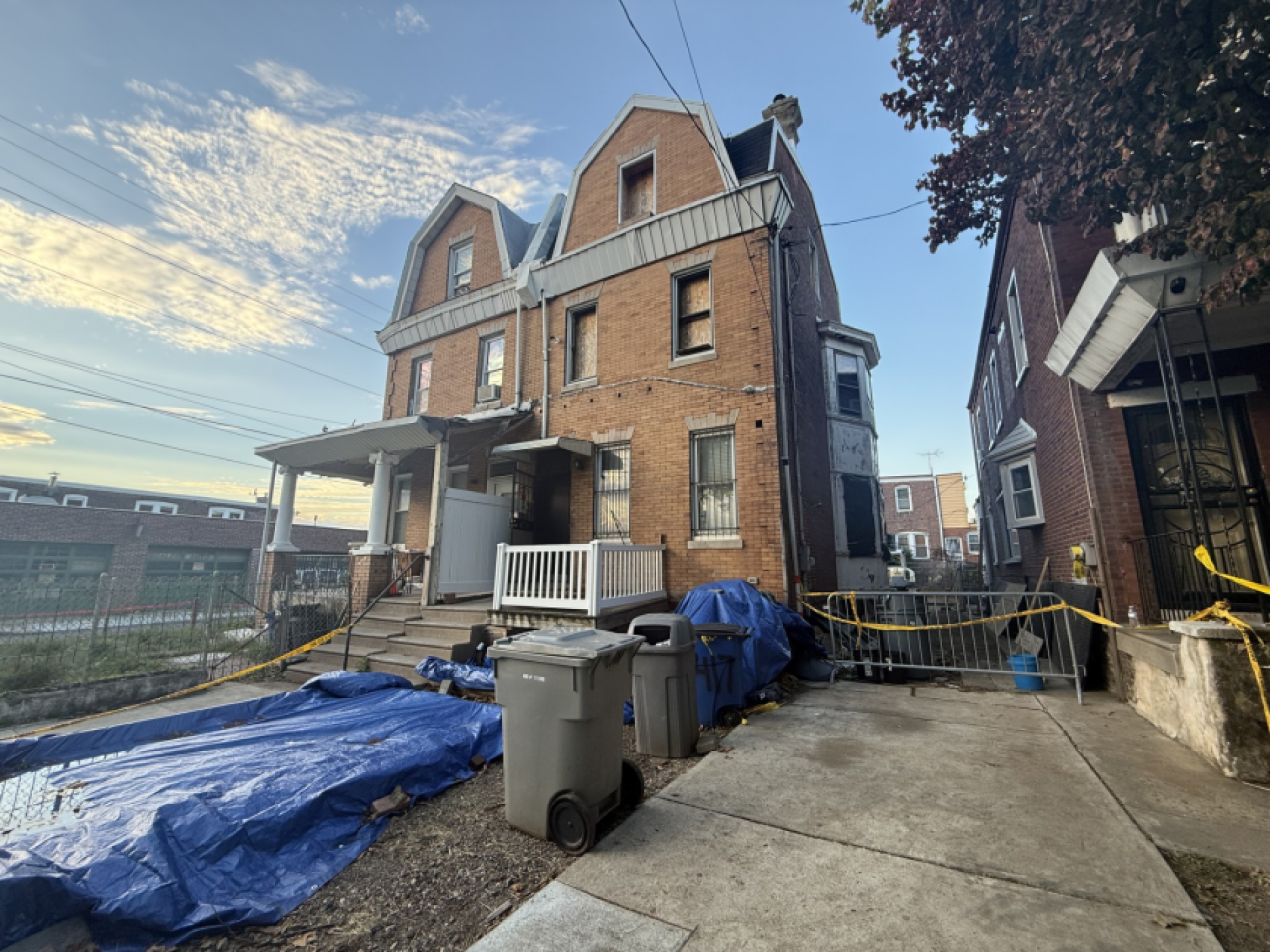
The house at 417 W. Chew Ave. would later become the focus of a sprawling investigation into at least seven missing women.
“I guarantee I walked up and down in front of that house,” Fitzgerald told the NBC10 Investigators.
The NBC10 Investigators showed Fitzgerald hundreds of pages of records connected to Raymond “R.C.” Horsch, who owned the Chew Avenue property before his death in 2025 at age 82.
The records include a decades-old psychological evaluation, personal letters from Horsch and his family and federal court records detailing his criminal history.
Fitzgerald, a retired FBI supervisory special agent, criminal profiler and forensic linguist, reviewed the records as police and the FBI continue trying to determine what happened to the women connected to Horsch’s former home.
Police have said there is video of Horsch strangling a woman. No human remains have been recovered from the Chew Avenue property.
Fitzgerald helped investigate one of the country’s most notorious criminal cases: the hunt for the Unabomber, Ted Kaczynski.
Fitzgerald analyzed Kaczynski’s writings, looking for clues in his language that helped investigators understand the person behind them.
“That opened so many doors and gave us so many clues to build on the profile that already existed,” Fitzgerald said.
Fitzgerald said a person’s own words can similarly provide investigators with clues about how that person thought and what he believed.
“If it’s a language of the person himself, first person or third person, whatever it may be, you had that window to his soul and his brain and you find out what he truly wants and believes,” Fitzgerald said.
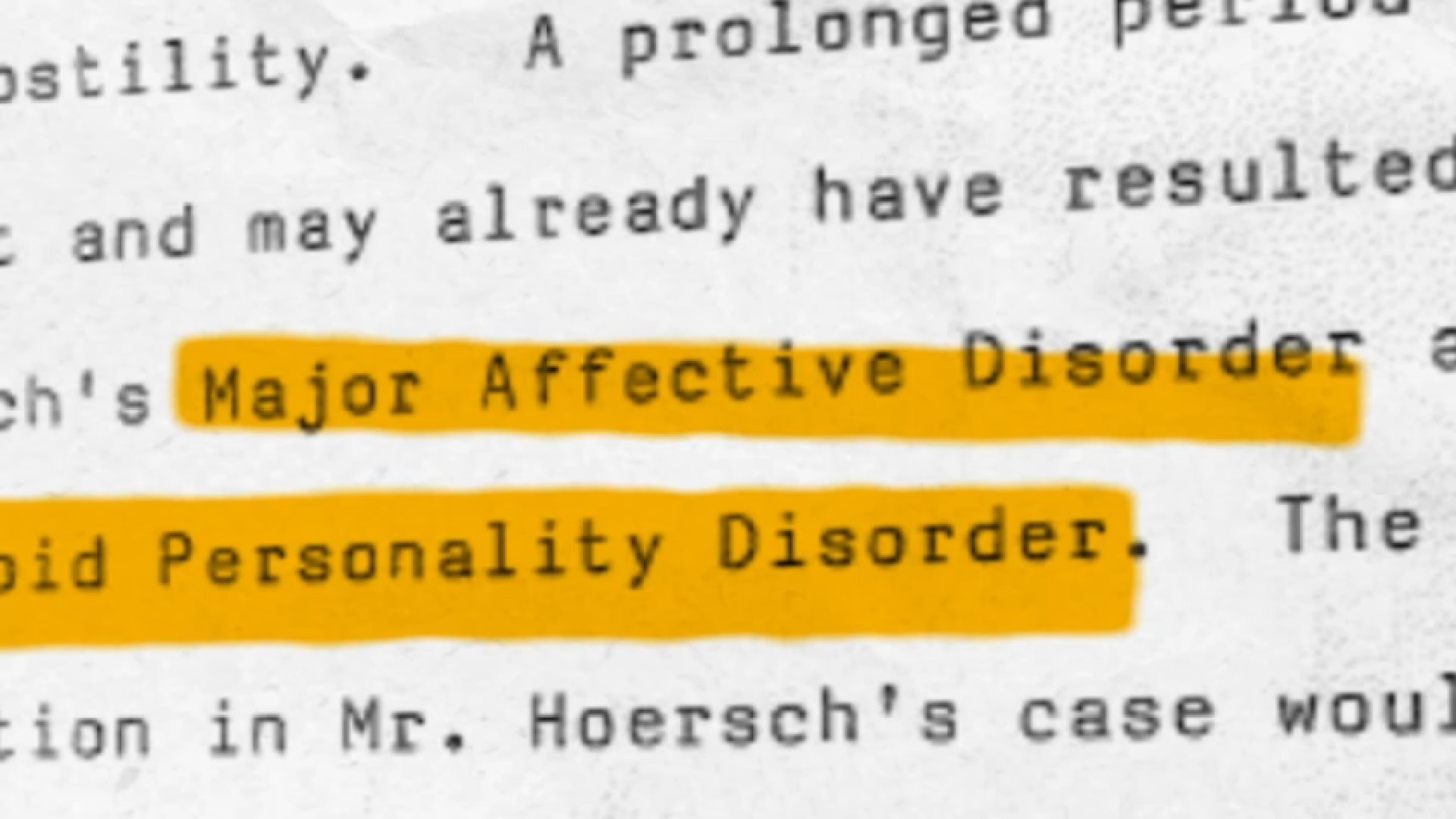
Among the records the NBC10 Investigators showed Fitzgerald was a psychological evaluation of Horsch completed in March 1985.
Horsch’s public defender requested the evaluation before his sentencing in a federal drug case. The psychologist examined Horsch’s mental state, potential for rehabilitation and likelihood of committing another crime.
The report described Horsch as highly intelligent, mistrustful and suspicious. The evaluator diagnosed Horsch with a major affective disorder, identified in the report as bipolar disorder, as well as paranoid personality disorder.
The psychologist also documented Horsch’s concerns about losing control.

“I can’t stand being out of control,” Horsch told the psychologist.
The evaluation found that Horsch initially approached the session with “a great deal of suspiciousness and cynicism.”
At one point, Horsch told the psychologist, “I can’t answer questions honestly.”
“I’m suspicious of you,” Horsch said. “I don’t know you or how your mind works.”
Fitzgerald took note of Horsch’s reluctance to answer questions.
“I learned a long time ago, if you’re a psychopath, you’re going to lie,” Fitzgerald said. “And there’s no doubt, and it even says in here, that he was hesitant to answer some questions from the shrink.”
The 1985 evaluation did not diagnose Horsch with psychopathy.
Something else in the evaluation caught Fitzgerald’s attention.
The psychologist documented Horsch’s professional experience as a chemist, computer analyst and photographer.
“He has an expertise in chemistry, computers, and photography,” Fitzgerald said. “That’s everything they’re looking at right now inside the house.”
Horsch’s history with chemistry stretched back decades, according to the NBC10 Investigators’ review of the documents.
After an earlier federal counterfeiting conviction, Horsch became the subject of a DEA investigation while working as a chemist.
In February 1977, federal agents searched a garage on North Sixth Street in Philadelphia’s Hunting Park neighborhood. According to federal court records obtained by the NBC10 Investigators, agents found “substantial laboratory equipment and various chemicals.”
Prosecutors said the search uncovered methamphetamine in various stages of manufacture, and a DEA chemist concluded the property contained a methamphetamine laboratory.
Decades later, law enforcement sources told the NBC10 Investigators that detectives recovered suspected chemicals and laboratory equipment from Horsch’s former Chew Avenue property.
Despite the parallels Fitzgerald identified, he cautioned against using records from decades ago to conclude Horsch was responsible for the disappearance or death of anyone.
“It is reflective of this guy and how he lived his life,” Fitzgerald said.
The 1985 psychological evaluation itself noted that Horsch’s documented crimes from 1973 through 1977 “never involved violence.”
For Fitzgerald, the decades-old records provide another source of information about the man who once owned a house he remembers from his childhood.
The answers to what happened to the missing women may lie elsewhere.
Police and the FBI continue reviewing evidence recovered during searches of the Chew Avenue property. Authorities said last month that detectives were reviewing more than 1 million digital files connected to the investigation and had identified 58 people in those files.
Police have finished digging and searching the property but are awaiting test results from areas investigators swabbed for possible evidence of a crime.
The NBC10 Investigators can be reached at david.charns@nbcuni.com and ali.ingersoll@nbcuni.com.


